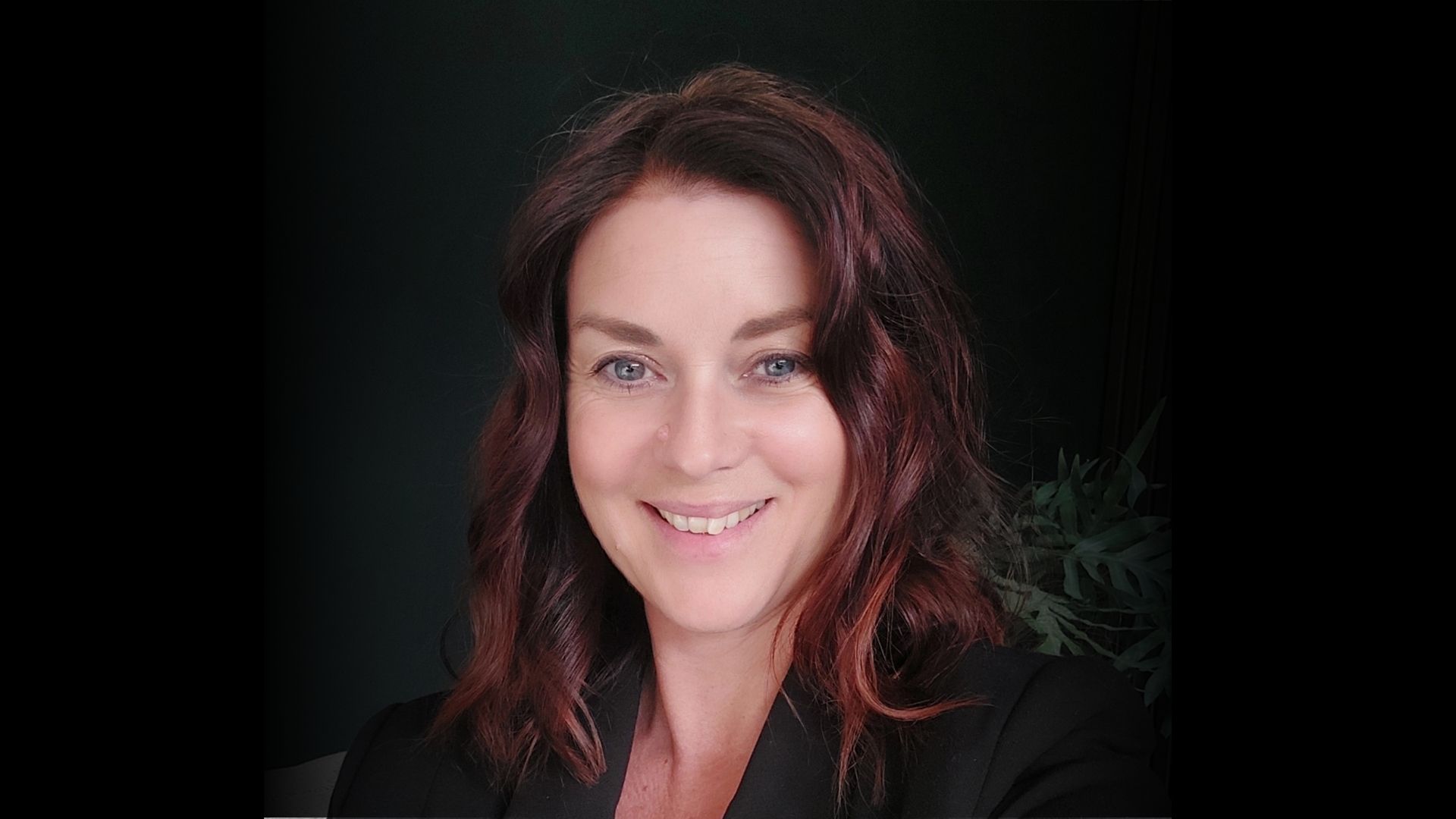
Recognising neurodivergence and disabilities in workplaces
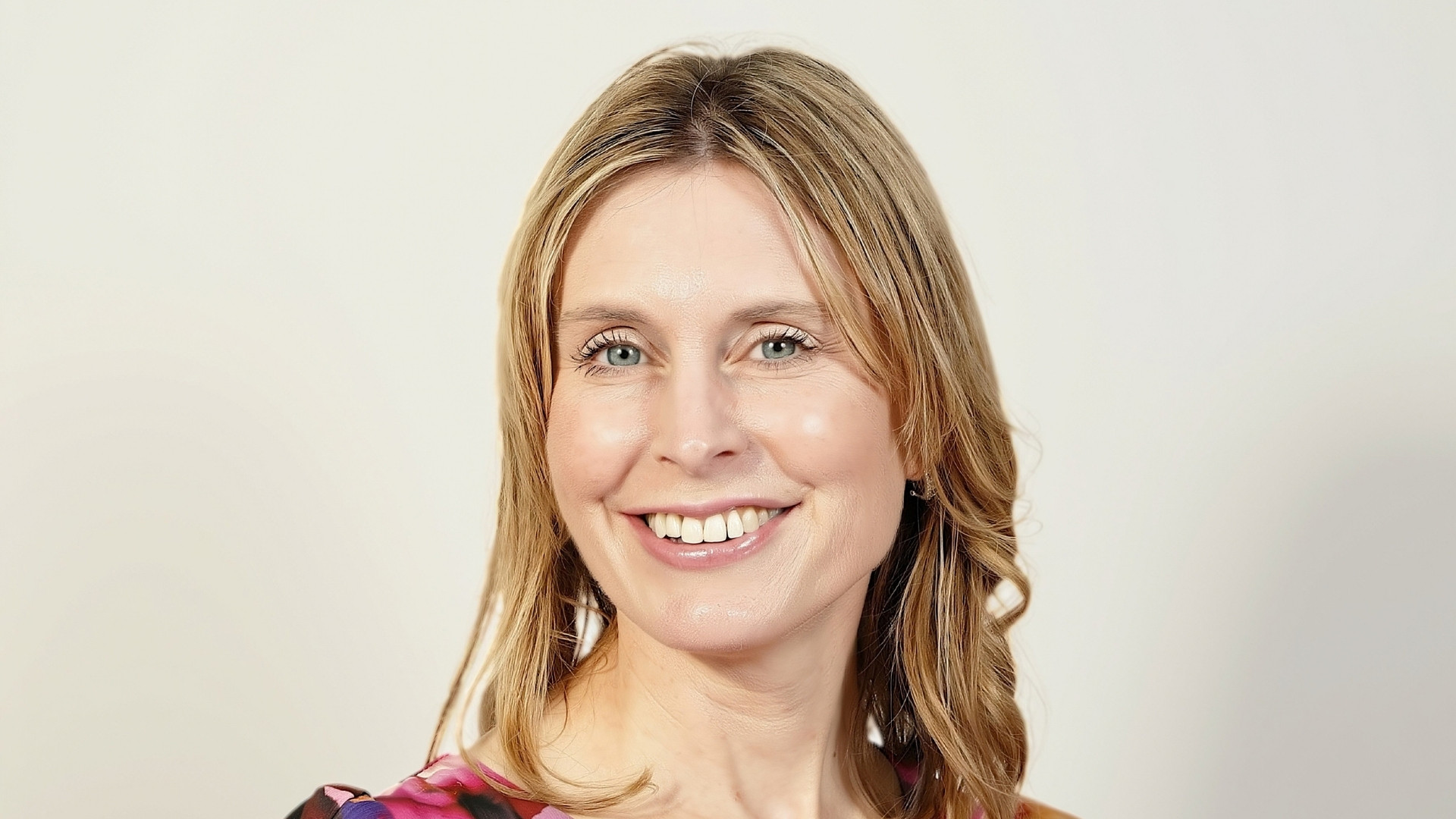
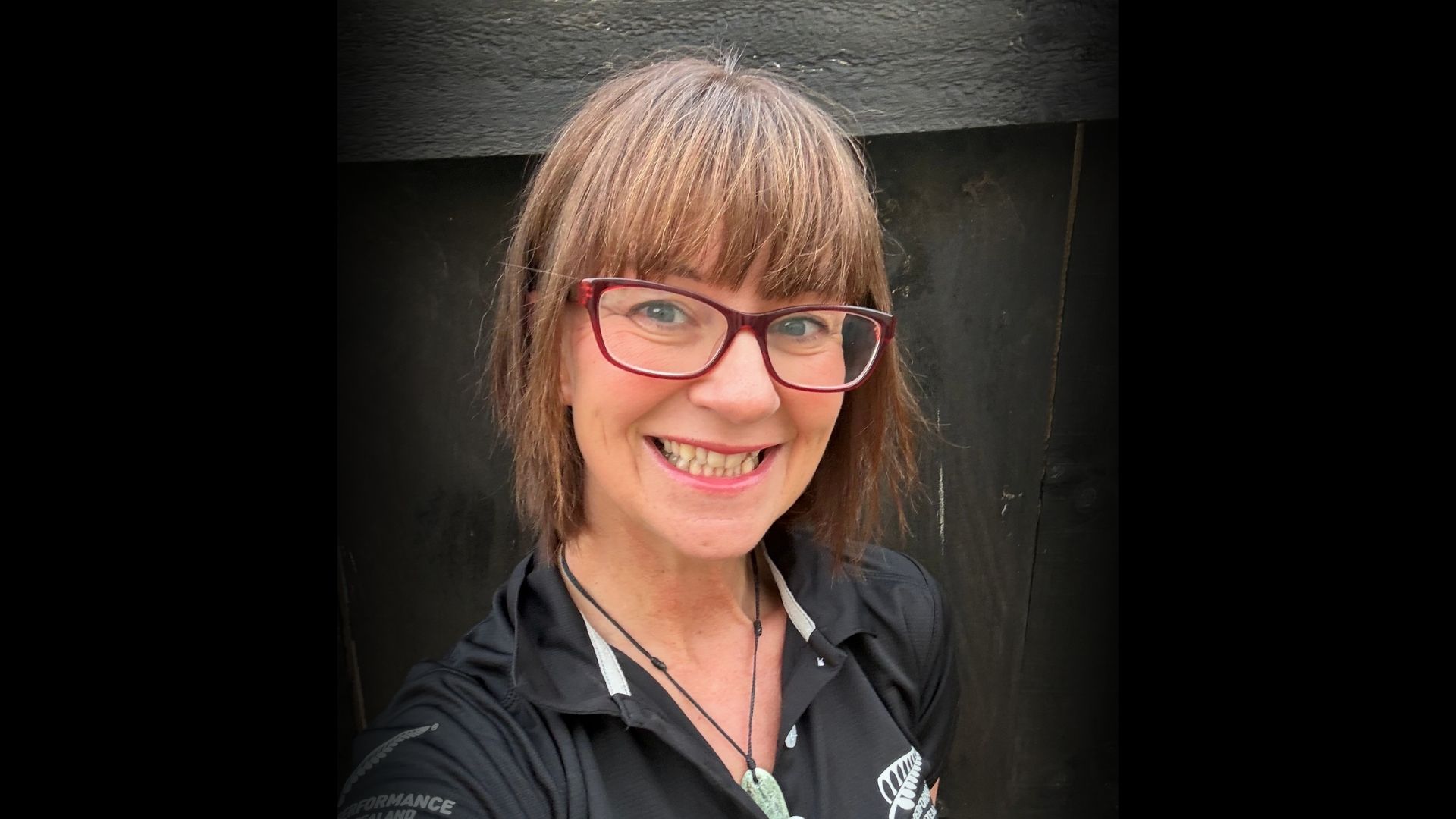
Through her online Master of Organisational Psychology, Ashleigh Fechney is making strides in her work to improve performance management practices for neurodivergent employees.




Through her online Master of Organisational Psychology, Ashleigh Fechney is making strides in her work to improve performance management practices for neurodivergent employees.
Sophie Jongen
18 December 2025
We would like to acknowledge the devastating passing of one of our students, Ashleigh Fechney (Streb). Ashleigh was an engaged and motivated learner, bringing her perspectives and passion to advocate for neurodivergent employees into our discussions and course activities. Her heart and sincerity against the marginalisation and discrimination of neurodivergent employees comes clear through her actions and beliefs that have helped many. She has been a positive influence on us and we fondly remember her encouragement and support to others, with her legacy of care shining through this profile.
Ashleigh Fechney began her career in employment law, but her ADHD and Autism diagnosis illuminated a new direction in her work and life which she is exploring through an online Master of Organisational Psychology. Advocating for herself in the workplace highlighted the barriers that exist, motivating her to support other neurodivergent employees. Although advocacy can be empowering, it can also be emotionally draining; as Ashleigh describes, it's often like being “the ambulance at the bottom of the cliff.”
Determined to find how employers can better accommodate neurodivergent employees, Ashleigh discovered organisational psychology, a field that enables her to help more employees by steering employers in the right direction.
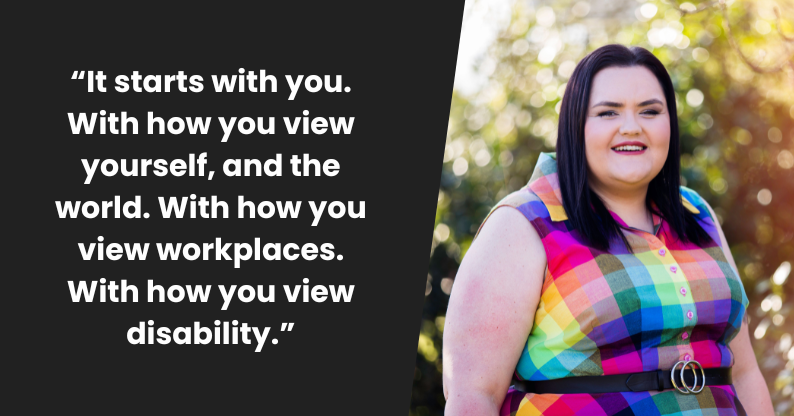
Ashleigh’s passion for advocating for neurodivergent employees in workplaces and encouraging employers to become more informed and proactive sparked new questions and curiosity. She points out that there is “very little case law that provides us with direction on how employers can modify their processes to accommodate neurodivergent employees.”
It is evident to Ashleigh that the marginalisation and discrimination of neurodivergent employees can be attributed to a widespread lack of understanding regarding their performance abilities and accommodations they may require in the workplace. With this disparity so clear, Ashleigh explains that she found herself down a “rabbit hole” of books covering topics ranging from belonging in the workplace, and intersectional inclusion to performance management. This exploration led her to understand what organisational psychological studies offer and how it can be vital in establishing a society that helps one another thrive and perform in their careers.
“Neurodivergent employees have a ‘hidden’ disability and this means we don’t have a shared language about how accommodations look: for example, if you have an employee in a wheelchair, it is commonly understood that this means the building will need ramps, that the microwave in the staffroom will need to be lowered, that they will need a desk that the chair can fit under, wider pathways, and accessible toilets. These are things we can all consider in a brainstorming session, but with neurodivergent employees, there's just a complete lack of understanding on all parties.”
Ashleigh advises future learners and professionals that channelling their inner ambitions can “help you impart a positive culture into any organisation you go into.” She explains that it is okay to disagree, whether it’s with course content or workplace systems, as long as you support your opinions with research, because it is a vital part to learning and growing.
As Ashleigh learned through her work advocating for neurodivergent employees, the importance in challenging the idea that there's “some kind of checklist: like, give them (neurodivergent employees) noise cancelling headphones, and replace the bright fluorescent lights, and you’ll ’solve’ the problem,” because a more thoughtful approach is often far more effective.
“Changing culture isn’t simple, but it’s a simple concept to grasp, and the effects can be wide-ranging.”
It ultimately comes down to well-being: an organisational culture that prioritises looking after its employees and accommodating them is simple in concept, yet there are “ripple effects” that can lead to tremendous success. What Ashleigh found is that employees are often put on performance improvement plans for traits relating to their disability, without focusing on the outcomes. Being confronted with this, she learned that many neurodivergent “employees feel ashamed of their disability and that they are being punished for who they are,” and often don’t know where to turn for help.
To address this, Ashleigh recommends that employers engage an occupational therapist as a “go-between.” Her studies and professional experience show that this approach helps employers better understand employee performance and identify the specific accommodations needed to support neurodivergent staff in meaningful, practical ways. The success of this implementation was Ashleigh’s “light-bulb moment”: she realised that what we learn must be embedded and actively advocated for in workplace cultures, not only to help neurodivergent employees succeed and thrive, but also to foster a healthier, more inclusive workplace overall.
“...It’s a ‘getting back to basics’ approach. Setting the culture right. Putting in processes. Undertaking job analysis…Neurodivergent employees will naturally be supported in an organisation that has great wellbeing and a great culture. There may need to be some minor amendments to policies, but in general, workplaces should be striving to support employees with whatever it is they need to be able to do the job: because every person will need support at some time.”
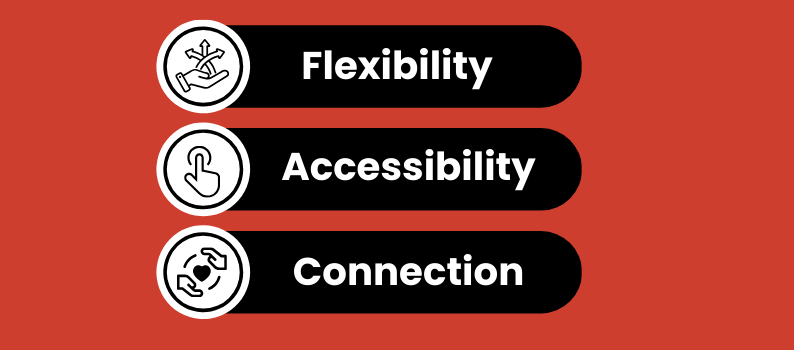
The process of learning and accomplishing goals looks different for everyone. For Ashleigh, studying online was a “no brainer”.
“I live rural, I work from home, and I am neurodivergent (which means that just the process of driving into university, finding a carpark, and having to engage in small talk is exhausting). If this master's degree wasn’t available online, I am not sure that I would have signed up!”
Life and work can easily become hectic; however, the ease of accessing support and requesting extensions for online coursework reduced stress and allowed study to serve as a natural extension of Ashleigh’s professional development. She recalls that during her undergraduate studies, completing a course often felt like just a task to get through, but her online master’s has entirely reframed how she views accomplishing her learning aspirations.
“I really enjoy studying online. If I need an extension, that is easy to ask for, and it’s often granted. This means that I don’t feel so stressed about the course in general, and I do genuinely treat it as professional development, rather than just something that has to be done for me to complete the course.”
By engaging with her online course forum posts, Ashleigh has felt supported by other learners’ experiences and found a cohort she can grow with. Her fellow learners have shared feelings she also struggles with, such as imposter syndrome and workplace differences.
“While this course has been completely online, I feel more connected with other learners than I did with my Master of Laws or Bachelor of Laws.”
Ashleigh opens up about how she has found it difficult in work and study, coming from a non-HR background, and admits there are times she wonders, “Am I good enough?” to go into consulting. She acknowledges that these are feelings she will have to work through herself, and that a Master of Organisational Psychology won’t automatically verify her as ‘good enough’. However, reading about other learners and being part of an online student community has been invaluable.
Online study has emphasised that learning is possible anywhere and at any time, making goals and aspirations more attainable for those previously limited by factors such as location, disability or time.
This discussion recognises the challenges neurodivergent individuals may face in pursuing learning and growth, as well as the empowerment that comes from taking leaps of faith to achieve what you always wanted to do. When we understand ourselves and our environment better, we open the door to real progress. Learn more about our online Master of Organisational Psychology and take the next step towards a purposeful career that aligns with your ambitions.

Be the first to know about our new programmes and other online updates by subscribing to our newsletter.
Follow us on LinkedIn for the latest learning updates.

Subscribe to our newsletter.
Join our mailing list to receive the latest news and offers from Tuihono UC | UC Online.