



Price
Domestic learners
$1,286* per 15 point course
International learners
$5,663* per 15 point course
*Price is approximate and subject to change based on elective course selection. Fees outlined are based on the 2026 fee schedule and are subject to revision each year. Prices include GST where applicable. Non-tuition fees, such as the Student Services Levy (SSL), will also apply.
Qualification
PGDipSFI
120 points
Duration tooltip: Duration is approximate and subject to course availability
2 years part-time
1 year full-time
Entry times
2027
2028
Overview
Deepen your capability to address complex, interconnected sustainability challenges — from climate change and social equity to business strategy and energy transitions.
The Postgraduate Diploma in Sustainable Futures and Innovation builds on core sustainability concepts and equips you with advanced knowledge and skills to drive innovation and regeneration. Through eight NZQF Level 8 courses, you’ll explore systems thinking, leadership, and challenge-led approaches that prepare you to make meaningful, measurable impact — including three specialist courses in an area of your choice.
Designed for working professionals, this 120-point qualification offers part-time flexibility and practical learning that connects theory to real-world application.
Blending the best of online and in-person learning, all four core sustainability courses that make up the postgraduate certificate can be studied fully online, while the advanced endorsement options in business, environment, energy, or social impact are available on-campus at Te Whare Wānanga o Waitaha | University of Canterbury (with online availability to be confirmed — stay updated).
Plans change? No problem. With flexible study options, you can choose to exit early and graduate with a fully online 60-point Postgraduate Certificate, or credit your courses towards the 180-point Master of Sustainable Futures and Innovation.
Start online, advance on-campus
This programme blends the best of online and in-person learning. Start online with the four courses that make up the Postgraduate Certificate. Chat through your options with an Enrolment Advisor today.
Specialist endorsements
Become an expert with our specialist endorsements, available in the Postgraduate Diploma or Master of Sustainable Futures and Innovation.




Requirements
To ensure that our learners have the necessary background and experience to succeed in this diploma in sustainability, you must have completed one of the following:
- A bachelor's degree from an Aotearoa New Zealand university with at least a B Grade Point Average in your 300-level or equivalent courses
- A bachelor's degree from an Aotearoa New Zealand university and relevant work experience as approved by the Amo Matua, Toi Tangata | Executive Dean of Arts or delegate
- Succesfully completed the Postgraduate Certificate in Sustainable Futures and Innovation with a B Grade Point Average or better
- An equivalent degree, or degree plus experience as outlined above, from an international institute that is approved under Academic Equivalent Standing.
(Note: Your eligibility will be considered upon enrolment, with successful applicants approved as students by the Amo Matua, Toi Tangata | Executive Dean of Arts or delegate.)
If English is your additional language, you are also required to meet UC's English language requirements.
For full entry requirements, see the Regulations for the Postgraduate Diploma in Sustainable Futures and Innovation or use the admissions requirements checker.
Unsure about your suitability?
As part of our application process, your eligibility will be assessed by our sustainability academic team to make sure that your academic and/or professional background meets the entry criteria. Unfortunately our Tuihono UC | UC Online team cannot confirm your eligibility before your application is submitted, beyond referring you to the requirements above. We are happy to help answer any general questions you have about the programme or online learning, however you can get in touch with us here.
More ways to study
Grow as you go — graduate early with a Postgraduate Certificate or credit your courses towards a master's degree.
Structure
The Postgraduate Diploma in Sustainable Futures and Innovation, can be studied part-time over 2 years or full-time over 1 year, subject to course availabilty. The programme must be completed within 3 years.
Time commitment
Unless otherwise stated, Tuihono UC | UC Online learners study across terms, rather than semesters. We have four terms per year which consist of nine-weeks of study (including a one-week study break), followed by a two-week period of marking and feedback.
Part-time learners complete one 15-point course every term, requiring approximately 18.5 hours of study per week. Full-time learners complete two 15-point courses every term, requiring approximately 37.5 hours of study per week. Study time includes taking in course material, reflection time and writing assignments. .
Upcoming term dates
Our current nine-week learning dates can be found below (please note: these dates exclude our two-week period of marking and feedback).
- 2 February – 5 April 2026
- Study break: 2 – 8 March 2026
- 27 April - 28 June 2026
- Study break: 25 – 31 May 2026
- 13 July - 13 September 2026
- Study break: 10 – 16 August 2026
- 28 September - 29 November 2026
- Study break: 26 October - 1 November 2026
Please note: these dates are provisional and may be subject to change.
Grow

Start learning fully online: begin your sustainability journey with four core courses in sustainable innovation and transformation. You'll explore disruptive innovation and practices for next-generation sustainability transformation and regenerative futures, as well as how to catalyse impact and build strategic influence to create lasting change.
Courses taken: Innovative Perspectives for Next Generation Sustainable Transformations (SUST401), Disruptive Practices for Regenerative Futures (SUST402), Catalysing Impact: Research Strategy and Design (SUST403), and Building Influence (COMS430).
Graduation option: at the end of these four courses, you can choose to exit early with a Postgraduate Certificate in Sustainable Futures and Innovation.
Expand
Expand your expertise on-campus: Pick your endorsement, and advance your skills through four advanced courses that will give you the analytical tools and capabilities you need to drive disruption for sustainable futures.
Endorsement options: choose to expand your skills in a specialisation of sustainable business, sustainable environment, sustainable energy or social sustainability through social impact. You'll complete specialist courses for each capability within the framework of sustainable futures and innovation. Course options to be confirmed — stay updated.
Graduation: at the end of these four courses, you'll be eligible to graduate with your Postgraduate Diploma in Sustainable Futures and Innovation!
Master
Keen to keep learning? Graduates with a grade average of B or higher can apply to credit 120 points towards a Master of Sustainable Futures and Innovation! This flexible degree pushes you to put your new skills into practice through a challenge-led dissertation. You'll choose to tackle a project that you're passionate about, alongside a community or organisational partner and the support of our expert team.
Course taken to graduate with a MSFI: Challenge-led Research Dissertation (SUST680).
What you'll study
Get started with four fully online NZQF Level 8 courses that build the essential knowledge and practical skills for creating a more sustainable future, before developing your expertise on-campus with four advanced NZQF Level 8 courses in your chosen specialist endorsement.
Want to take your diploma in sustainability learning further? You may be eligible to credit your sustainability courses towards a Master of Sustainable Futures and Innovation.
Specialist endorsement options: choose to expand your skills in a specialisation of sustainable business, sustainable environment, sustainable energy or social sustainability through social impact.
Description
Transformational strategies are urgently required to address a new generation of complex, interconnected sustainability challenges, including climate change, social inequality and large-scale ecological degradation. This online course equips students with the analytical tools and capabilities to devise, engage and drive disruptive sustainable innovation. Through diverse perspectives, including social, environmental, business, and Indigenous viewpoints, students will identify enabling conditions and barriers to transformation including worldviews, assumptions, and biases that shape competing sustainability claims. Through real-world case studies in geopolitics, technology, and business, students will analyse how disruptive innovation can reshape workplaces, communities, and international contexts in ethical, just, and future-focused ways.
Learning Outcomes
- Reflect on and articulate how worldviews, assumptions and biases, including one’s own, may influence how sustainability problems are perceived and appropriate innovative solutions identified.
- Examine and critique frameworks and current debates on sustainability, including the historical context of colonisation and the impact on sustainability; pathways and frameworks for evaluating sustainability including the UN Sustainable Development Goals and the Human Development Index (HDI).
- Identify new and emerging concepts and claims of sustainability in New Zealand, the Pacific, and international contexts for mobilising knowledges and practices for next generation leadership.
- Critically evaluate complex ethical, social-cultural, technical and environmental justice issues that impact futures decision making in diverse contexts and communities.
- Construct and effectively communicate critical arguments about sustainable transformations with local, regional and global impact.
Description
Applying disruptive practices for regenerative futures requires understanding innovative approaches to identify and test assumptions about long term development. In this course students learn how to define problems, identify solutions, and evaluate regenerative outcomes. Students will learn to apply relevant problem-solving concepts, theory and frameworks including systems thinking and foresight and Indigenous approaches to futures thinking. They will also engage with lifecycle assessment and carbon footprint analysis. The course will develop skills to analyse alternative pathways and identify critical interdependencies, past and current drivers of problems, and processes that enable sustainable transformation, including new technologies and AI innovation.
Learning Outcomes
- Identify key concepts and frameworks used in foresight for sustainability, including methods of scenario analysis, systems thinking and responsible integration of technology, AI, and behaviour change practices.
- Apply disruptive problem-solving frameworks, including Indigenous approaches and social, political, and legal strategies to analyse interactions and identify leverage points for sustainable innovation and radical system change.
- Identify and evaluate diverse regenerative pathways over time, in the context of probable, possible and unknown futures.
- Effectively communicate recommendations through a variety formats (eg oral, written, visual).
Description
Robust research practices underpin innovative thinking and are essential for developing solutions to complex sustainability challenges. In this course students will design an innovative and original research proposal and develop an implementation strategy to address a sustainability challenge in a workplace or a community-based organisation. Through real-world case studies and scenarios, this course will build effective research skills, supporting students to ask the right questions, select appropriate methodologies, understand how to choose appropriate ethical methods, and collaborate with stakeholders, customers, and communities to catalyse and drive sustainable transformations.
Learning Outcomes
- Demonstrate an ability to develop a clear research strategy, including understanding how to design an appropriate research aim, objectives and questions supported by an appropriate research plan to implement that strategy (identifying milestones, ethics requirements and relevant resources required) to investigate a sustainable futures challenge.
- Demonstrate understanding of research protocols and human ethics requirements, including how to engage with Mana Whenua, Māori, and Pacific communities, and diverse stakeholder and industry groups.
- Interpret and synthesise relevant literature, data, and primary/secondary sources to develop innovative behavioural, organisation, digital, technology and research strategies for sustainable futures.
- Effectively communicate research strategies for sustainable innovation to a variety of audiences in written, oral, and visual formats to accelerate action for sustainability and respond to peer review and stakeholder feedback.
Description
Strategic communication refers to the practice and study of the deliberate and purposive communication that organisations engage in to reach their goals. Organisations communicate strategically to change public opinion, promote public health, advance human rights, attract new volunteers, convince employees to embrace a change initiative, manage crises, and promote their “brand”, among many other things. This course will explore strategic communication scholarship about key issues that organisations must tackle (e.g., transparency, accountability, and identity). The course connects theories to real-life case studies and puts particular emphasis on ethical strategic communication practice.
Learning Outcomes
- Explain key theoretical concepts and theories underpinning strategic communication research.
- Apply strategic communication theories to case studies of organisations’ strategic communication.
- Critically evaluate organisations’ strategic communication efforts.
- Identify and discuss ethical dimensions of organisational strategic communication.
- Critically evaluate the use of AI and emerging technologies in strategic communications.
Description
Undertake 45 points of courses aligned with your specialist endorsement, and 15 points towards an elective course of your choice.
Our people
The Postgraduate Diploma in Sustainable Futures and Innovation is coordinated by Dr Kate Prendergast, with contributions from Professor Bronwyn Hayward (MNZM, FRSNZ), and other industry professionals and Te Whare Wānanga o Waitaha | University of Canterbury academics.

Dr Kate Prendergast
Lecturer | University of Canterbury
Kate Prendergast is a Lecturer at Te Whare Wānanga o Waitaha | University of Canterbury, where she works at the intersection of sustainability, health, and wellbeing, with a particular focus on urban governance and youth wellbeing in cities. Her research investigates how current and future generations of urban residents can flourish in sustainable ways in a time of widespread geopolitical, technological and environmental disruption.
She is a Research Fellow with Centre for the Understanding of Sustainable Prosperity (CUSP) at the University of Surrey, where she manages the Children and Youth in Cities Lifestyle Evaluation (CYCLES) study in 7 world cities. Kate is also an investigator with the Mana Rangatahi: Climate Change and Decision Making project, using intergenerational storytelling and participatory methods to support culturally responsive climate action in Aotearoa communities. Her wider research background includes work on the links between the built environment and health, such as physical activity, nutrition, and obesity, and she was a lead researcher on the Sovereign Wellbeing Index, a large-scale study tracking the wellbeing of over 10,000 New Zealanders, and has contributed to multiple workplace wellbeing projects.
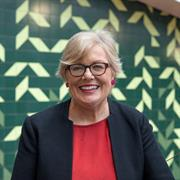
Professor Bronwyn Hayward
Professor and Associate Dean (Research) - Faculty of Arts | University of Canterbury
Bronwyn Hayward (MNZM, FRSNZ) is a Professor of Political Science and Director of the Sustainable Citizenship and Civic Imagination Research group at Te Whare Wānanga o Waitaha | University of Canterbury. Her research sits at the intersection of sustainability, youth, climate change and democracy. She has contributed to major international climate reports, including the Intergovernmental Panel on Climate Change AR6 (Synthesis report 2023), Cities & infrastructure (2022) and leading the IPCC Special Report on 1.5 Degrees C (2018). Bronwyn is co-primary investigator with the Centre for the Understanding of Sustainable Prosperity (CUSP) at the University of Surrey, where she leads the Children and Youth in Cities Lifestyle Evaluation (CYCLES) study in 7 world cities. She is also a co-primary investigator of the Mana Rangatahi: Climate Change and Decision Making project, supporting Indigenous young people facing climate change.
She was an Erskine Fellow with University College, Oxford in 2017 and has published numerous books, including Children, Citizenship and Environment and Sea Change: Climate Politics and New Zealand. Bronwyn has served in leadership roles for international research initiatives and contributed to UNEP’s global youth survey. Outside academia, she has worked in children’s media and served on the NZ Broadcasting Standards Authority, SPARK Foundation, and Give A Little. Her work has earned her numerous honours, including the 2019 Kiwibank Local Hero Award, and 2021 Supreme Woman of Influence Award.
Stay updated
If you’re keen to know more about these sustainability courses, stay updated on when enrolments open or ask a question, please sign up for updates below.
Cap & minimum enrolment threshold: a minimum number of learners is needed for effective interaction and feedback, while a maximum cap of learners ensures high quality learning and support. If the minimum number of enrolments required for a course isn’t met, or the maximum cap is exceeded, learners will be given the option to defer their study or receive a refund.


FAQ
You'll be well prepared for roles such as senior policy analyst, senior environmental advisor, senior sustainability advisor, among others, championing sustainable innovation.
Learners will find their skills highly valued within government, health, housing, energy, and transport, as well as businesses with sustainability or health and safety teams, or in marketing and communications teams across a range of sectors or NGOs. Employers across these sectors are seeking next generation sustainability professionals who can identify and apply disruptive strategies to drive sustainability transformation.
Your specialist endorsement will also give you advanced skills in an area of your choice, that will add to your CV and professional skillset.
All four core courses (which make up the Postgraduate Certificate in Sustainable Futures and Innovation) are available fully online, so you can study anywhere, anytime.
Currently, all advanced endorsement courses (which make up the Postgraduate Diploma or Master of Sustainable Futures and Innovation) are available on-campus only, with online availability to be confirmed — stay updated.
Choose an area you're passionate about to specialise in during your sustainability postgraduate diploma. This means you will study 45 points worth of courses with a dedicated focus on the area of your choice, similar to a major in a bachelor's degree.
Endorsement options include sustainable business, sustainable environment, sustainable energy or social sustainability through social impact.
Learners have access to the same support services as on-campus students, including academic advising, technical support, and library resources. There are also great resources for both Canterbury based and remote learners at the UC RecCentre. Learn more here.
Learners also have the support of our Tuihono UC Learner Experience team.
The overall cost of tuition fees per 15 point course based on the 2026 fee schedule:
- for domestic learners is $1,286* incl GST
- for international learners is $5,663* plus GST if applicable.
Total programme investment for the 120 point programme based on the 2026 fee schedule:
- for domestic learners is $10,288* incl GST
- for international learners is $45,304* plus GST if applicable.
*Please note that the fees are charged on a per year basis and the amount charged reflects the number of courses/points enrolled in the current year. These are based on the 2026 fee structure and subject to revision – you can learn more about the University of Canterbury’s Tuition fee structure here.
Student Services Levy costs
Each year university students around Aotearoa New Zealand are charged a Student Services Levy (SSL) in addition to their tuition fees. All the SSL money collected can only be used for the benefit of students - never for academic or administrative costs.
The SSL is automatically calculated on how many points you enrol in per academic year, capped at a maximum of 150 points. Tuihono UC | UC Online learners are charged a reduced SSL rate, which is 20% of the usual on-campus student levy. This is calculated as $2.06 per academic point in 2026. You can learn more about the Student Services Levy here, and more about UC Support Services here.
There are a range of options you can use to finance your study, which you can learn more about here.
Whether you need advice finding the right course for you or support with the enrolment process, we’re here to help! Contact our enrolment support team for course information, technical help and enrolment support.
The UC on-campus team are also here to help, with advice around your on-campus pathway when completing the Postgraduate Diploma or Master of Sustainable Futures and Innovation.
Applications are made online through our Tuihono UC | UC Online website – please sign up for updates to stay in the loop about when applications open.
If you are a domestic learner, the below process will apply. If you are an international learner, the application process is slightly different, and we recommend getting in touch with our enrolment team at info@uconline.ac.nz to answer any questions.
For domestic learners, your application will be assessed by our academic team to make sure you meet all entrance criteria (including academic and english language requirements). We may be in touch to ask you further questions about your experience, or to request additional supporting documentation. If your application is accepted, you will be sent an 'Offer of Place' to let you know your enrolment has been conditionally approved.
Following this, we will generate an ‘Enrolment Agreement’ outlining your courses, fees and student agreement, which you need to sign and accept. Your enrolment is only complete when the fees outlined in this agreement are paid in full (view payment options), at which point you’ll become ‘Fully Enrolled’ and receive a ‘Welcome to Tuihono UC | UC Online’ email with details of your next steps to start learning. If you have any questions during the enrolment process, please get in touch with our team via info@uconline.ac.nz.
The Postgraduate Diploma in Sustainable Futures and Innovation is a standalone professionally relevant qualification, but graduates may be eligible to credit their courses towards the Master of Sustainable Futures and Innovation (completing an additional 60-point challenge-led dissertation).
We are also developing our online offerings – if you'd like to hear about our latest news and offers, join our mailing list.
Yes, our PGDipSFI is a real university qualification.
Successful learners will graduate with a Postgraduate Diploma in Sustainable Futures and Innovation from Te Whare Wānanga o Waitaha | University of Canterbury, and be eligible to attend graduation! You can either receive your testamur (qualification certificate) on-stage, or elect to receive your certificate in the mail.
This postgraduate diploma can be completed in two years of part-time study, or one year of full-time study (subject to course availability), and must be finished within three years.

Subscribe to our newsletter.
Join our mailing list to receive the latest news and offers from Tuihono UC | UC Online.

