How to become a social worker
Wondering how do you become a social worker? Here’s everything you need to know about this career path, including job types and experience required.




Wondering how do you become a social worker? Here’s everything you need to know about this career path, including job types and experience required.
Team Tuihono
28 October 2026
A career in social work is meaningful, people-focused and systems-focused, offering opportunities across the country. If you’re considering whether it could be the right path for you, understanding the pathway of how to become a social worker is an important place to start.
Registered social workers help individuals, whānau and communities to enhance their wellbeing and sense of belonging. Social workers provide support and advice, arrange physical and mental health services, and advocate for the wellbeing of others.
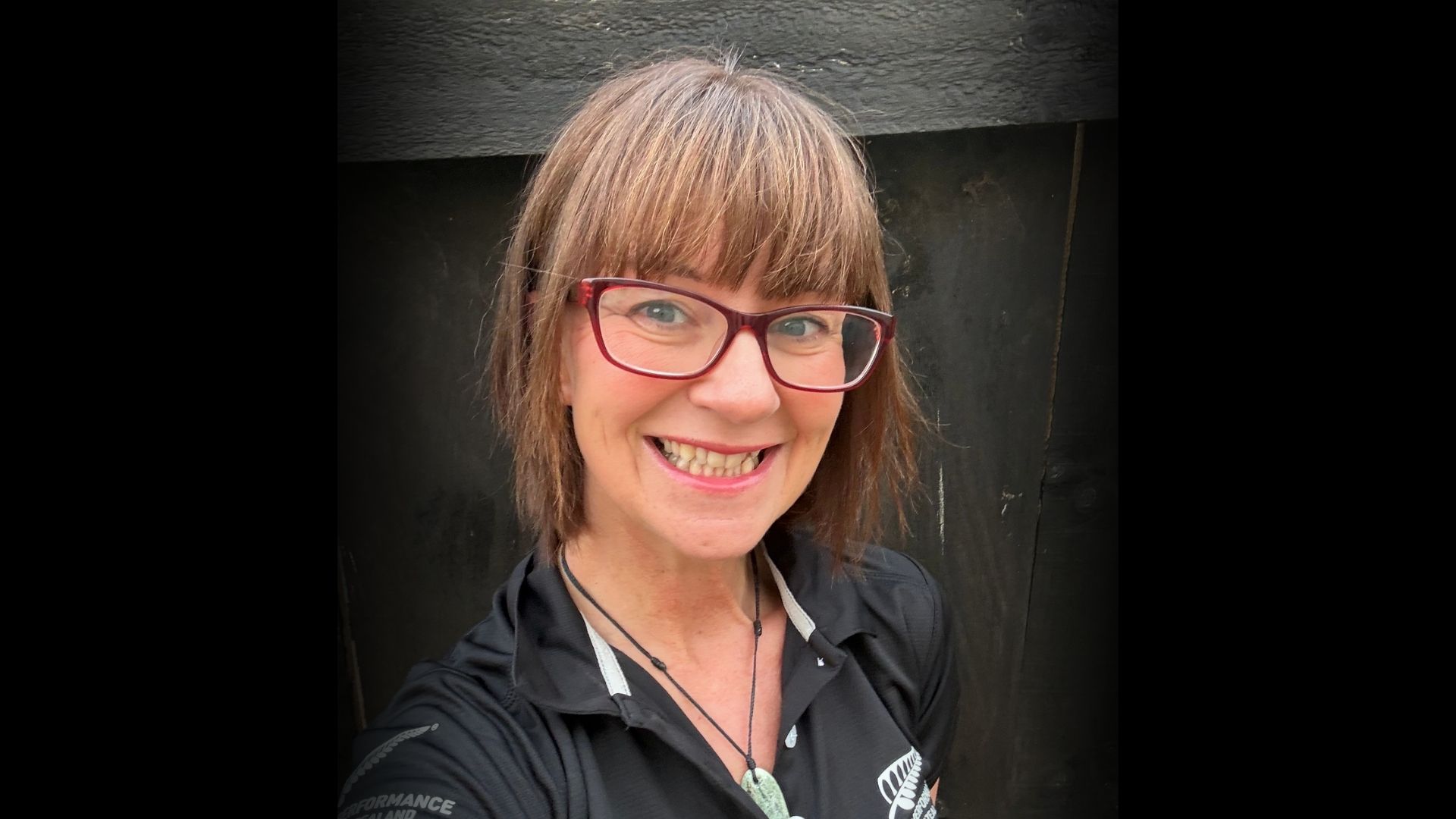
Kim, who studied the Master of Social Work (Applied) in 2021, explains how an important aspect of the role is all about empowering and advocating for people within the community.
“I’m really passionate about justice and I love that social work is all about overcoming barriers, fighting injustice, advocating for clients, empowering people. I love that you can focus on people’s strengths and help them to see how they can overcome barriers in their lives,” she says.
Video: check out what Kim has to say about her social work journey
A career in social work opens up pathways to various fields of practice. You may be employed in social work jobs across policy, community development, government and non-government settings.
You may be working with individuals, whānau or communities, ranging from tamariki | young children, rangatahi | young people, adults, and older populations.
Workplace settings include schools, health clinics, non-profit organisations, government agencies, hospice care facilities and the criminal justice sector.
Within these social work positions, tasks you may undertake include helping people with personal and social problems, recommending legal action, writing reports and evaluations, developing treatment plans and strategies, maintaining client records.
An important aspect of social work practise focuses on addressing inequitable systems through activism, policy change and social change.
Of this meaningful work, social work graduate Kartik describes it as, “walking alongside people on their journey of wellbeing.”
An increasing number of trained professionals are required within social services across Aotearoa New Zealand. Internationally, social work graduates are highly sought after, particularly in Australia and the United Kingdom.
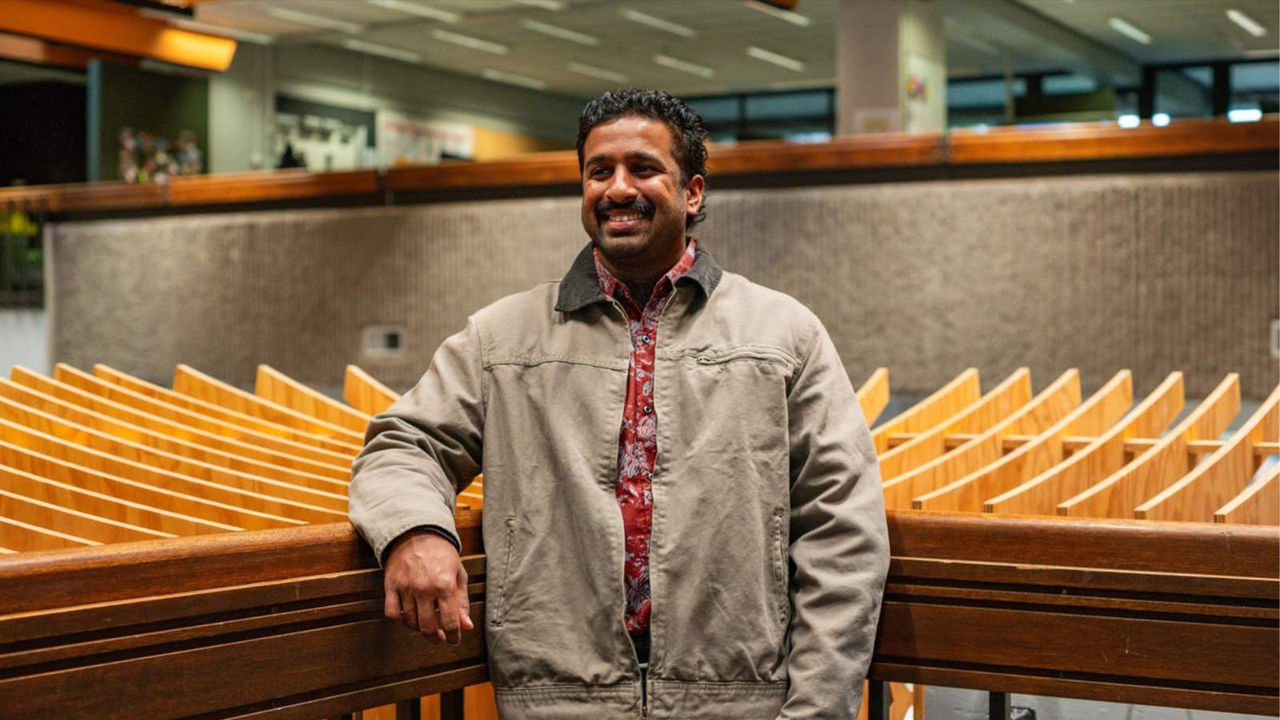 Social Work graduate Kartik Kumar discusses his passion for working with diverse communities
To become a registered social worker, you will need to gain foundational social work knowledge and skills in areas of mental health; culture and diversity; social work theory and practice; social work principles and skills; and social work research.
To practise social work in Aotearoa New Zealand it is a requirement you have an appropriate qualification and register with the Social Workers Registration Board (SWRB).
UC Online’s Master of Social Work (Applied) programme provides students with the fundamental social work knowledge and skills, building professional capabilities that lead to becoming registered.
Through a blend of online interactive learning and 20 on-campus days, students build theoretical and practical experience with five taught courses, two social work placements, and a small scale research project.
UC Online learning is built around bite-sized, interactive study modules — not just recorded lectures — explore how it works.
In Part Ⅰ of MSW (Applied), students develop the social work fundamentals needed when working in the field. Topics include
The impacts of mental health and well-being on individuals, whānau and communities.
The influence of the Te Tiriti o Waitangi in social work practise.
The integrative nature of purpose, values, skills and knowledge in informing a social worker’s framework for professional practice.
How to identify and practice the micro-skills required for work with individuals, whānau, and in the community.
Examine the connection between research and social work practice.
Apply research skills to the development of a research proposal.
Foundational knowledge and skills gained through Part Ⅰ of MSW (Applied) allows you to engage in field education, where you will build practical, real-world experience through social work placements.
To become a registered social worker, you need to be able to demonstrate the SWRB Competence Standards. This is demonstrated by real-world experience in the field, combining both theoretical and practical social work experience.
During Part Ⅱ of MSW (Applied), students engage in two field education placements with social service agencies, allowing them to develop and implement their social work knowledge and skills.
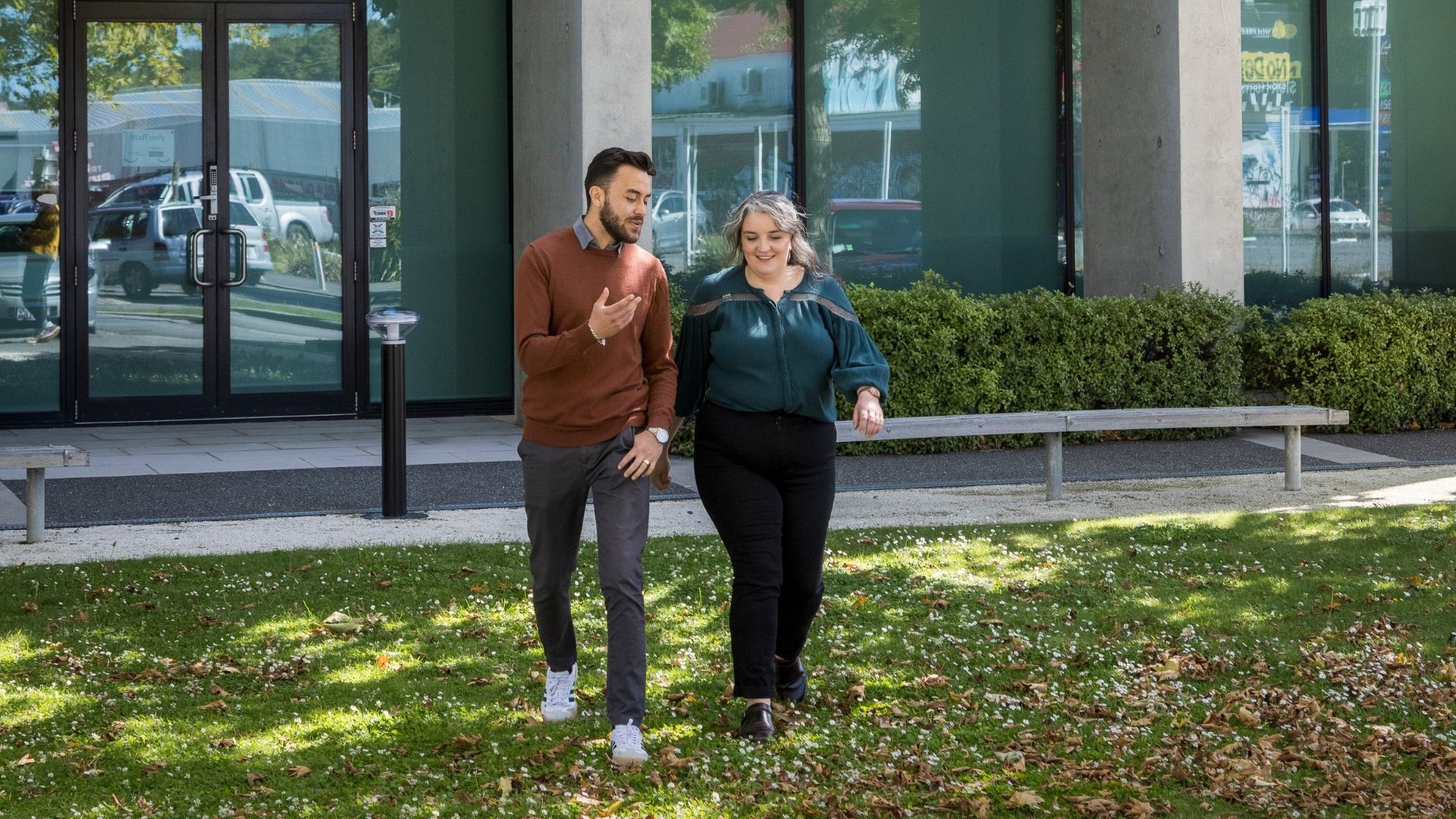
For graduate Kartik, a fieldwork placement with whānau and tamariki allowed him to develop social work practice competencies by empowering others for social change.
“When you work with whānau where challenges may exist, you learn everyone has their inherent strengths, so you're able to scaffold support around that. I knew, during that placement, that this was where I could make an impact,” he says.
A core competency for social workers who register with SWRB relates to culture, ethnicity, and indigenous values and practices, with a focus on how social workers engage professionally with diverse communities, incorporating awareness and respect for others.
Kartik gained this core knowledge through his studies with UC and implemented his theoretical learning during a fieldwork placement with a refugee resettlement team.
"We supported former refugees to settle, which was really cool, as we were able to work with so many people from diverse cultures and religious backgrounds. The big learning there was around cultural safety,” he says.
 Master of Social Work (Applied) programme provides real-world learning through social work placements.
In Aotearoa New Zealand, a person may not call themselves a social worker or be employed in social work without being registered through SWRB. A relevant tertiary qualification is required to become registered.
There are multiple social work study pathways available, including UC’s a postgraduate Master of Social Work (Applied), or undergraduate Bachelor of Social Work with Honours if you do not already have an undergraduate degree, or do not meet postgraduate entry requirements.
The MSW( Applied) can be studied part-time, with the option of full-time study available via UC’s established blended learning format (combining distance study with on-site requirements). UC’s social work courses online are flexible and practical, blending theoretical and real-world learning, developing best practices for a career helping others.
“It means everything to me to graduate and be able to support the wellbeing of whānau and communities. This has been a dream of mine,” says graduate Kartik, reflecting on his learning journey.
For Kim, her goals of social change focus on policy, “...ultimately I’d like to be working in the community, and setting up more policy for people to be able to access.”
A career in social work is diverse, people-focused and meaningful. Whether you’re interested in mental health, tamariki and rangatahi, aged care, social justice, or policy, there is a wide variety of options and a growing need for social workers across the country.
To begin your career in social work with UC, explore the Master of Social Work (Applied) or Bachelor of Social Work with Honours.

Be the first to know about our new programmes and other online updates by subscribing to our newsletter.
Follow us on LinkedIn for the latest learning updates.

Subscribe to our newsletter.
Join our mailing list to receive the latest news and offers from Tuihono UC | UC Online.